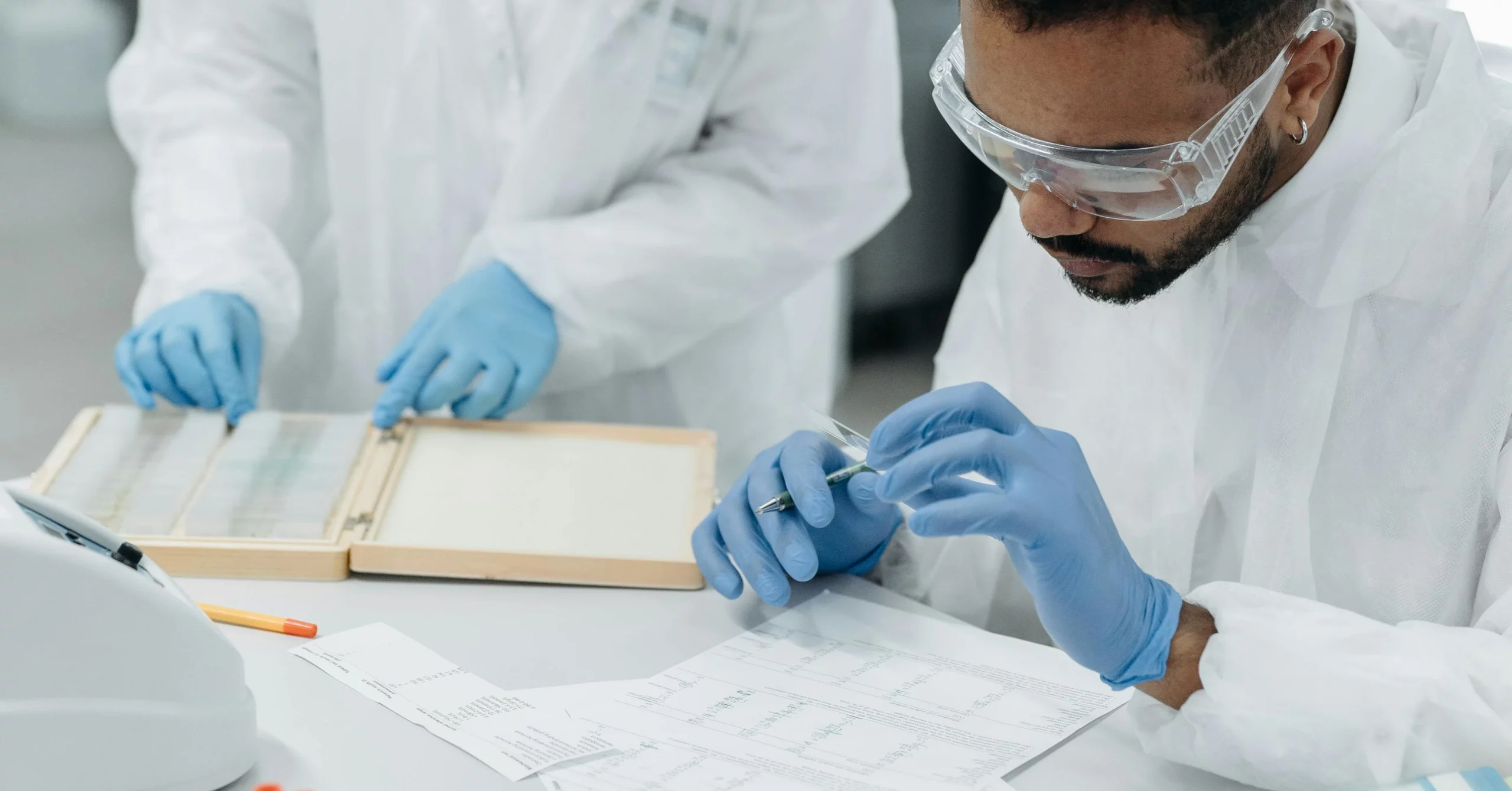
Delivering world-class research and innovation that improves people’s lives is a core objective of our hospital trust.
We know that research-active hospitals deliver better care with lower mortality rates and provide a better experience for patients.
Major clinical breakthroughs – from developing the world’s first bedside genetic test to prevent permanent deafness in newborns, to delivering world-first treatments for Hunter Syndrome – have taken place within our hospital trust.
As a Governor appointed by the council sit on our Manchester University NHS Foundation Trust, I have the privilege of attending governor development days to familiarise various aspects of work in the hospital trust. This week’s development day was a doozy.
The morning talk was a series of presentations, the afternoon we had the chance to see the research going on at Wythenshawe.
Some projects are cutting edge technology and others are really about reaching deep into communities to raise awareness and encourage people to come forward.
We heard about developments in identifying harmful micro-organisms in lungs. In Intensive Care there is a need to quickly identify which anti-microbial drugs will work and which anti-microbial drugs will not work (because the bugs are resistant to the anti-microbial). One way of identifying the best anti-microbial drug is by looking at the DNA of the bug using DNA spectrometry. This can give much quicker results than traditional methods. The speeds in obtaining these results is improving as is the portability of the equipment. They’re using handheld devices when it used to require a machine the size of a fridge.
Higher prevalence of a chronic kidney disease within Afro-Caribbean communities is known to be associated with a gene that a minority of people carry, but there remains reticence in coming forward. We heard from outreach nurses that were raising awareness as well as trying to build a cohort of people to track.
It’s a feature of these types of work that they need volunteer participants. Sometimes participation brings its own rewards, e.g. access to cutting edge drugs or treatments for rare conditions. However, often participation is purely a selfless act.
It was very much a consistent complaint that Wythenshawe’s chronic car parking shortages do have a particular impact. The example given was that volunteer participants do not want to spend 30 mins looking for somewhere to park their car.
There’s obviously ambitious development plans for Wythenshawe Hospital, but they’re not going to come to fruition quickly. We’re going to have to return to this issue. I think my inclination is to reserve more parking for the research function. I don’t think we’re talking a huge amount of car parking, but obviously it would have an impact on others.
Photo by Pavel Danilyuk: https://www.pexels.com/photo/medical-practitioners-doing-a-research-8442280/


Leave a Reply