Trafford’s 26/27 budget passed its final hurdle when it was approved by council. It was a dreadful meeting that you can watch here in all its glory on YouTube:
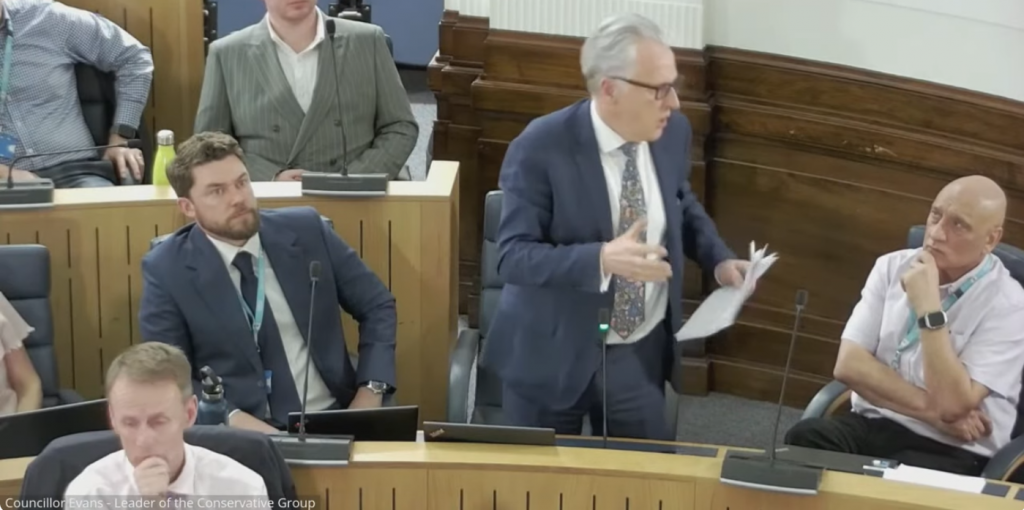
https://www.youtube.com/live/MUVmRcbQjWw?si=NSBS4Tzz5YQ_zxOG
- The Conservatives accepted the plan to borrow up to £12.6m to support the budget for the year, but verbally rejected the need to increase council tax above the 4.99% ceiling. (There was some knockabout debate about whether their motion did indeed limit the council tax rise, but they were definitely prepared to borrow.)
- The Lib Dems took the view that since we were nowhere near a balanced budget without borrowing, the finance officer should declare bankruptcy under section 114 and demand government intervention.
- The Greens accepted the budget, but because they oppose the relief road in Carrington (although it’s not in the budget), they would vote against the budget.
I voted for the budget and did so unreservedly. It’s my view that the Council Leadership and their officers have correctly held their nerve against further cuts to services and resolved to pressure for a fairer settlement.
What made it a really poor debate was that the architects of our misfortune were almost completely left out of the debate.
I remain a Labour man and will always try to defend their choices, but the Government’s finance settlement is ludicrously miscued. They have rightly targeted areas of higher levels of deprivation for extra funding, but they’ve sourced that funding from middling council areas. Places like Trafford, Warrington and Crewe have all been pushed into taking out huge loans to support day to day spending. Not so long ago, councillors who voted for such budgets would have been personally surcharged. Now government wants us put our budget on the tick and it barely gets a mention.
Northwest Councils requiring borrowing to support revenue.
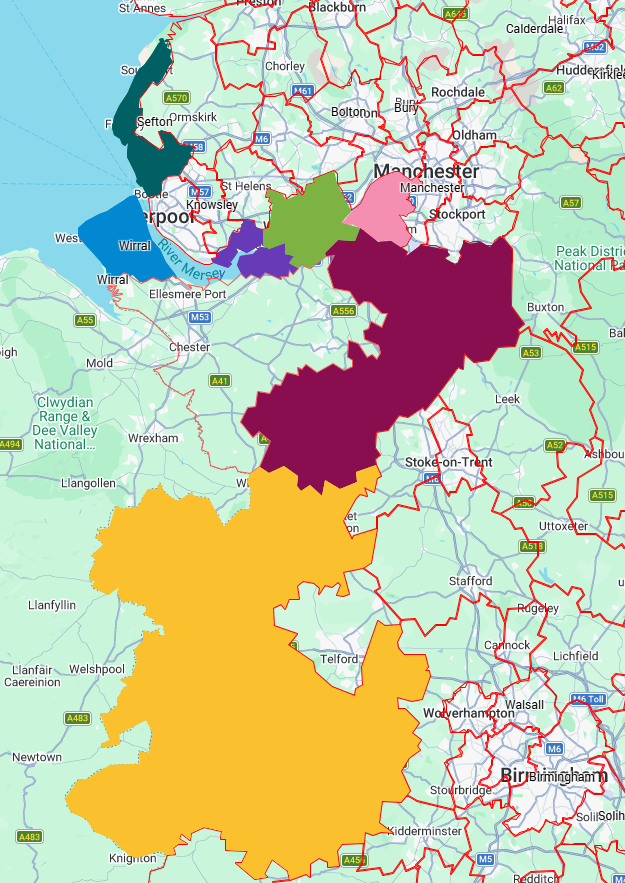
If you cross the River Mersey in the right places you can travel from Southport to Worcestershire on a continuous route through boroughs receiving the same punishment beating as Trafford.
I’m no fan of Morgan McSweeney’s friend, the Maga hat wearing Steve Reed, who is the Local Government minister that targeted the North West’s commuter belt, but surely he can see these places are not just the homes of premier league footballers, but contain levels of deprivation and isolation just as chronic as inner-cities. We need to get angry.
What happens now?
I suppose it’s easy for me stamping my feet. Trafford’s leadership has to continue to make the case through the normal channels and to seek Greater Manchester support, even assistance. I’d like to see us making a more collective call with the other councils, particularly those in the North West.
The Conservative Party are moving a no-confidence motion at Council tonight that sounds like it’s been dictated to by a caller to Talk Radio. It’s all over the place. It will be a farcical debate that will be lucky to get 15 minutes granted to it. The financial management of the council is the wrong thing to take on, and in any event, we’re about 7 weeks from an election, where the public decide their backing for the council.
Thankfully, I won’t be able to attend tonight’s council meeting, but the Conservatives really ought to pull that motion. It’s just a rant from them.
Finally,
So, this is really the last piece on Budget 26. I’ve enjoyed writing the articles. They’ve helped me focus and try to unpick a budget that wasn’t afforded the level of scrutiny that should be mandatory. That said, the budget that eventually was revealed to councillors is probably the right one. There’ll be a tweak here or there that I’d make, but I don’t think it’s massively wrong.
However, whilst the budget may have emerged from this intact, the democratic mechanics in Trafford have broken and the checks that should enable input from outside the Council Executive and Corporate Leadership simply aren’t functioning. The closedown of council for two by-elections held in quick succession took away 80% of the time normally allotted to budget scrutiny and had no basis in guidance. That is serious.
Just as serious is the lack of public engagement. The community knows that consultation has become a word that the council uses that has no relation to its English meaning. Not so long ago the trajectory was towards co-production of budgets with participation. It’s gone backwards during my time as councillor.
The public have declining confidence in those low-level spending decisions, which roads get prioritised, which parks, where ‘hubs’ are located. This may be the right budget for Trafford, but I doubt the public will believe that it will be administered fairly. They see where money is spent and where it is not spent, but explanations are never easily available and cynicism is a natural consequence.
Councils are not overlords. We as councillors are representatives of the electors, and officers are agents of that representation. We’ve got to allow public into decisions on how their council tax is spent.
Last words
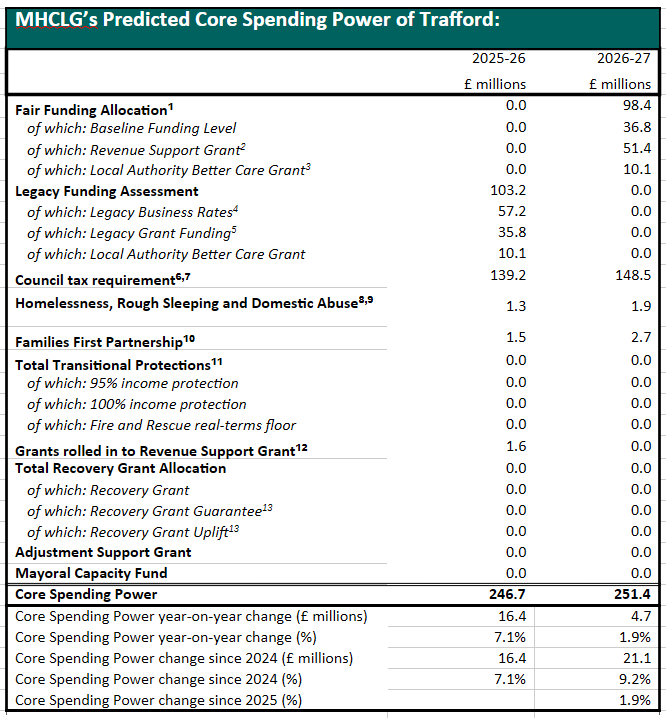
It’s a god-awful settlement from government on how much of the money raised in Trafford can be spent in Trafford. There’s not much else that can be said.
image: Steve Reed Lauren Hurley / No 10 Downing Street, OGL 3 http://www.nationalarchives.gov.uk/doc/open-government-licence/version/3, via Wikimedia Commons